
Top Basketball Training Programs to Improve Skills
- mdaaga
- Dec 17, 2025
- 5 min read
If you want to take your basketball game to the next level, finding the right training program is key. Whether you're a quick, short guard or a tall, slow big, the right drills and strategies can help you maximize your strengths and improve your weaknesses. I’ve coached players of all sizes and speeds, and I’m excited to share some of the best tips and training methods that can help you improve your skills right from home or on the court.
How Basketball Programs Improve Skills for Every Player
Basketball is a game of skill, strategy, and physical ability. The best basketball programs focus on developing all three. For example, a short guard needs to work on quickness, ball handling, and shooting under pressure. Meanwhile, a tall wing player should focus on footwork, shooting range, and defensive positioning. Slow guards can improve by mastering smart playmaking and using their body to shield the ball, while tall bigs benefit from post moves, rebounding techniques, and shot-blocking timing.
One of the most effective ways to improve is through structured basketball training programs. These programs combine drills, conditioning, and game IQ development. They also teach you how to read the defense, make smart cuts, and execute plays like pick-and-rolls or give-and-go’s. Coaches like Hubie Brown emphasize the importance of fundamentals and understanding the game’s flow, while Alex Sarama focuses on skill development and mental toughness.
If you want to explore some of the best basketball training programs available, I highly recommend checking out local academies that offer personalized coaching and skill-specific workouts. These programs are designed to help players of all ages and skill levels improve their game efficiently.
Training Tips for Different Positions and Player Types
Every position on the court demands different skills, and your training should reflect that. Here’s a breakdown of tips for various player types:
Short Guards
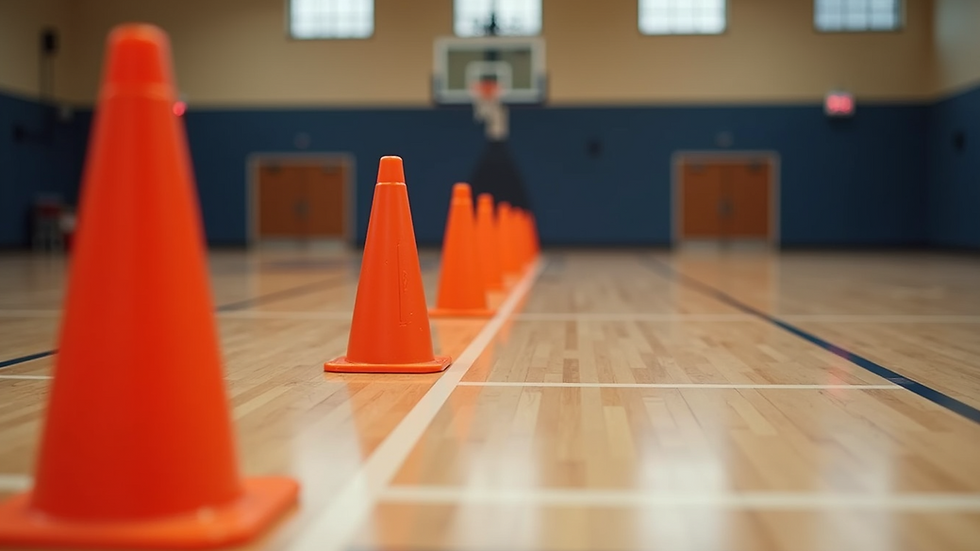
Speed and Agility Drills: Use ladder drills and cone drills to improve quickness.
Ball Handling: Practice dribbling with both hands, including crossover and behind-the-back moves.
Shooting: Work on quick-release jump shots and floaters to score over taller defenders.
Defense: Focus on staying low and using your quick feet to stay in front of your opponent.
Tall Wings
Footwork: Practice pivoting and jab steps to create space.
Shooting Range: Extend your shooting beyond the three-point line.
Rebounding: Work on timing your jumps and boxing out opponents.
Versatility: Develop ball-handling skills to become a threat both inside and outside.
Slow Guards
Basketball IQ: Study game film and learn to anticipate plays.
Passing: Improve your vision and accuracy to set up teammates.
Strength Training: Build core and leg strength to hold your ground.
Controlled Dribbling: Use your body to protect the ball and avoid turnovers.
Tall Bigs
Post Moves: Master drop steps, hook shots, and up-and-under moves.
Shot Blocking: Work on timing and positioning to protect the rim.
Conditioning: Improve stamina to stay effective throughout the game.
Passing: Develop the ability to pass out of the post to open shooters.
At-Home Drills to Boost Your Game
You don’t always need a full court or a team to improve. Here are some drills you can do at home:
Wall Passing: Stand a few feet from a wall and practice chest passes, bounce passes, and overhead passes.
Dribbling Drills: Use a tennis ball or smaller ball to improve hand-eye coordination.
Jump Rope: Great for building foot speed and endurance.
Form Shooting: Use a hoop or a target to practice your shooting form and follow-through.
What is the 80 20 Rule in Basketball?
The 80 20 rule, also known as the Pareto Principle, applies to basketball in a way that 80% of your success comes from 20% of your efforts. This means focusing on the most impactful skills and plays can yield the best results. For example, if you’re a guard, mastering your shooting and ball handling might be the 20% that leads to 80% of your scoring opportunities.
Coaches like Hubie Brown stress the importance of focusing on fundamentals that create consistent results. Instead of trying to do everything, identify your strengths and build your training around them. This approach helps players avoid burnout and improves confidence on the court.
In practice, this means spending more time on high-percentage shots, like layups and free throws, and less time on low-percentage attempts. It also means perfecting a few go-to moves rather than trying to learn every trick in the book.
Understanding Common Plays and Cuts to Elevate Your Game
Basketball is a team sport, and knowing how to move without the ball is just as important as dribbling or shooting. Here are some common plays and cuts that every player should know:
Pick and Roll: One player sets a screen (pick) for the ball handler and then rolls toward the basket for a pass.
Give and Go: Pass the ball to a teammate and immediately cut toward the basket to receive a return pass.
Backdoor Cut: When the defender overplays, cut behind them toward the basket for an easy layup.
V-Cut: Use a sharp V-shaped movement to get open for a pass.
Flash Cut: Quickly move from the wing to the free-throw line area to receive the ball.
Practicing these cuts and plays helps you become a smarter player. It also improves your timing and chemistry with teammates. Coaches like Alex Sarama emphasize the importance of reading the defense and making quick decisions during these plays.
Building Confidence and Basketball IQ Through Training
Confidence on the court comes from preparation. The more you train, the more you understand the game, and the better you perform under pressure. Here are some ways to build your basketball IQ and confidence:
Watch Game Film: Study your own games and professional matches to learn positioning and decision-making.
Play Different Positions: Understanding other roles helps you anticipate teammates’ and opponents’ moves.
Mental Reps: Visualize plays and scenarios to prepare your mind for game situations.
Consistent Practice: Regular training builds muscle memory and reduces mistakes.
Remember, basketball is as much a mental game as it is physical. The best players think two steps ahead and stay calm under pressure.
Your Next Step to Better Basketball Skills
If you’re serious about improving, consider joining a local basketball academy that offers expert coaching and tailored training plans. Programs like those at Hoop College in Broward County provide the structure and support you need to grow your skills and basketball IQ. Whether you’re a beginner or aiming for college ball, the right program can make all the difference.
By focusing on your position-specific skills, understanding key plays, and training smart, you’ll see your confidence and performance soar. Keep practicing, stay positive, and enjoy the journey of becoming a better basketball player.


Comments